
Asim Munir’s Libya Visit Explained: Why Pakistan Has Long Courted the North African Nation
New Delhi | December 21, 2025
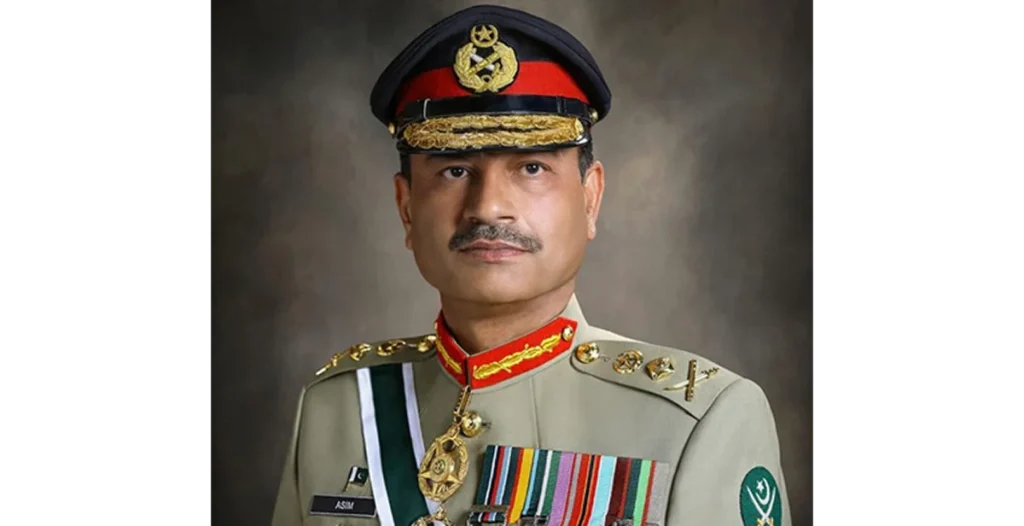
Pakistani Field Marshal Syed Asim Munir’s recent trip to Tripoli has once again brought attention to a little-discussed but historically layered relationship between Pakistan and Libya. The Asim Munir Libya visit, during which he met Libyan Field Marshal Khalifa Belqasim Haftar, was projected by Pakistani officials as part of Islamabad’s renewed effort to deepen defence and security cooperation with the North African country.
According to Pakistani media reports, the meeting focused on strengthening military ties, exchanging expertise, and addressing regional security challenges. The Asim Munir Libya visit came months after Haftar travelled to Pakistan in July, signalling sustained engagement between the two military establishments despite political instability in Libya and Pakistan’s own economic and diplomatic constraints.
While Pakistan and Libya are separated by geography and lack direct economic interdependence, their relationship has been shaped by ideology, strategic calculations, and shifting regional priorities over several decades.
Early ties rooted in religion and post-colonial diplomacy
The foundations of Pakistan–Libya relations were laid soon after both countries emerged from colonial rule. Libya gained independence from Italy in 1951, and Pakistan, created in 1947, positioned itself as a supporter of Muslim nations seeking political stability and international recognition.
Academic studies note that Pakistan’s early foreign policy was influenced by religious solidarity and post-colonial cooperation. Bilateral relations with Libya were formalised in 1951, with Pakistan backing Libyan causes at international platforms such as the United Nations. As part of this outreach, Pakistan also agreed to train Libyan military officers, marking the beginning of defence engagement that continues to echo in the Asim Munir Libya visit today.
However, the relationship remained largely symbolic in its early years. Libya, focused on addressing domestic economic challenges, did not actively support Pakistan on core issues such as Kashmir or broader Pan-Islamic initiatives. Even during the 1965 India-Pakistan war, Libya maintained neutrality, reflecting the limits of religious diplomacy in shaping concrete alliances.
Gaddafi era and Pakistan’s strategic pivot to the Arab world
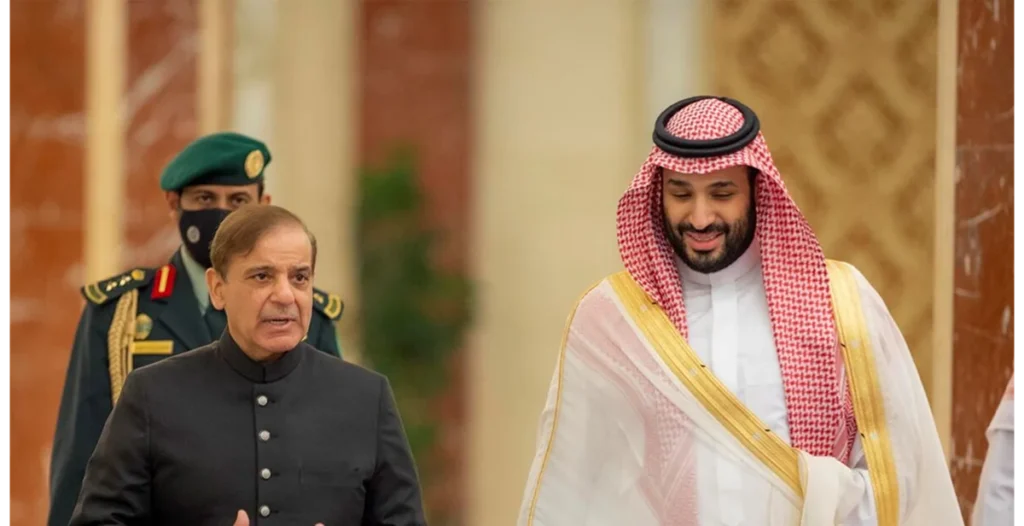
Pakistan’s defeat in the 1971 war and the loss of East Pakistan marked a turning point in Islamabad’s foreign policy. Seeking alternatives to Western dependence, Pakistan intensified engagement with the Arab and Muslim world. Libya, under Muammar Gaddafi after his 1969 coup, became a prominent partner during this phase.
The personal rapport between Gaddafi and then Pakistani Prime Minister Zulfikar Ali Bhutto strengthened ties. Pakistan viewed Libya as both a political ally and a potential source of financial and strategic support, particularly within the emerging oil-rich Arab bloc. Analysts have described this phase as Pakistan’s deliberate “look west” policy, aimed at benefiting from petrodollar economies and political backing from Muslim-majority states.
This period also coincided with the formation of the Organisation of Islamic Cooperation (OIC) in 1969, of which both Pakistan and Libya are members. The platform provided Islamabad with an avenue to internationalise its concerns, while Libya sought to enhance its influence across the Muslim world.
Defence cooperation in a changing regional context
In recent years, Pakistan’s engagement with Libya has taken on a narrower but more pragmatic focus. With Libya fragmented since the 2011 uprising and Pakistan facing regional security challenges of its own, defence cooperation has emerged as a key area of mutual interest.
The Asim Munir Libya visit fits into this pattern. Pakistani officials have emphasised professional military collaboration, training exchanges, and dialogue on counterterrorism and internal security. For Pakistan, maintaining defence ties helps preserve relevance in parts of Africa and the Arab world at a time when its traditional alliances are under strain.
For Libya’s eastern leadership, engagement with Pakistan offers access to military experience and international legitimacy. Analysts note that such interactions are often driven more by institutional military interests than by broader diplomatic alignment.
Why the relationship still matters
Despite limited trade and minimal people-to-people contact, the Pakistan–Libya relationship has endured due to shared institutional interests and historical precedent. The Asim Munir Libya visit underscores how successive Pakistani regimes—civilian and military alike—have viewed Libya as part of a wider Muslim-world engagement strategy.
While expectations from this relationship remain modest, both sides appear keen to sustain dialogue, particularly in defence and security domains. As regional geopolitics evolve, such ties allow Pakistan to maintain strategic flexibility without committing to deeper political entanglements.
In that sense, the Asim Munir Libya visit reflects continuity rather than a policy shift—an example of how historical connections continue to shape Pakistan’s contemporary military diplomacy in Africa.